SHORT TERM MEETING OF TEACHERS IN POLAND
The first day of the Erasmus project visit began with welcome and ice-breaking activities designed to help participants get acquainted and create a friendly, collaborative atmosphere. This was followed by an overview of the meeting agenda and the main goals of the visit, ensuring that all attendees...
Date
07 Apr 2025 – 12 Apr 2025
Location
Rzeszów
The first day of the Erasmus project visit began with welcome and ice-breaking activities designed to help participants get acquainted and create a friendly, collaborative atmosphere. This was followed by an overview of the meeting agenda and the main goals of the visit, ensuring that all attendees clearly understood the purpose and expected outcomes of the program.
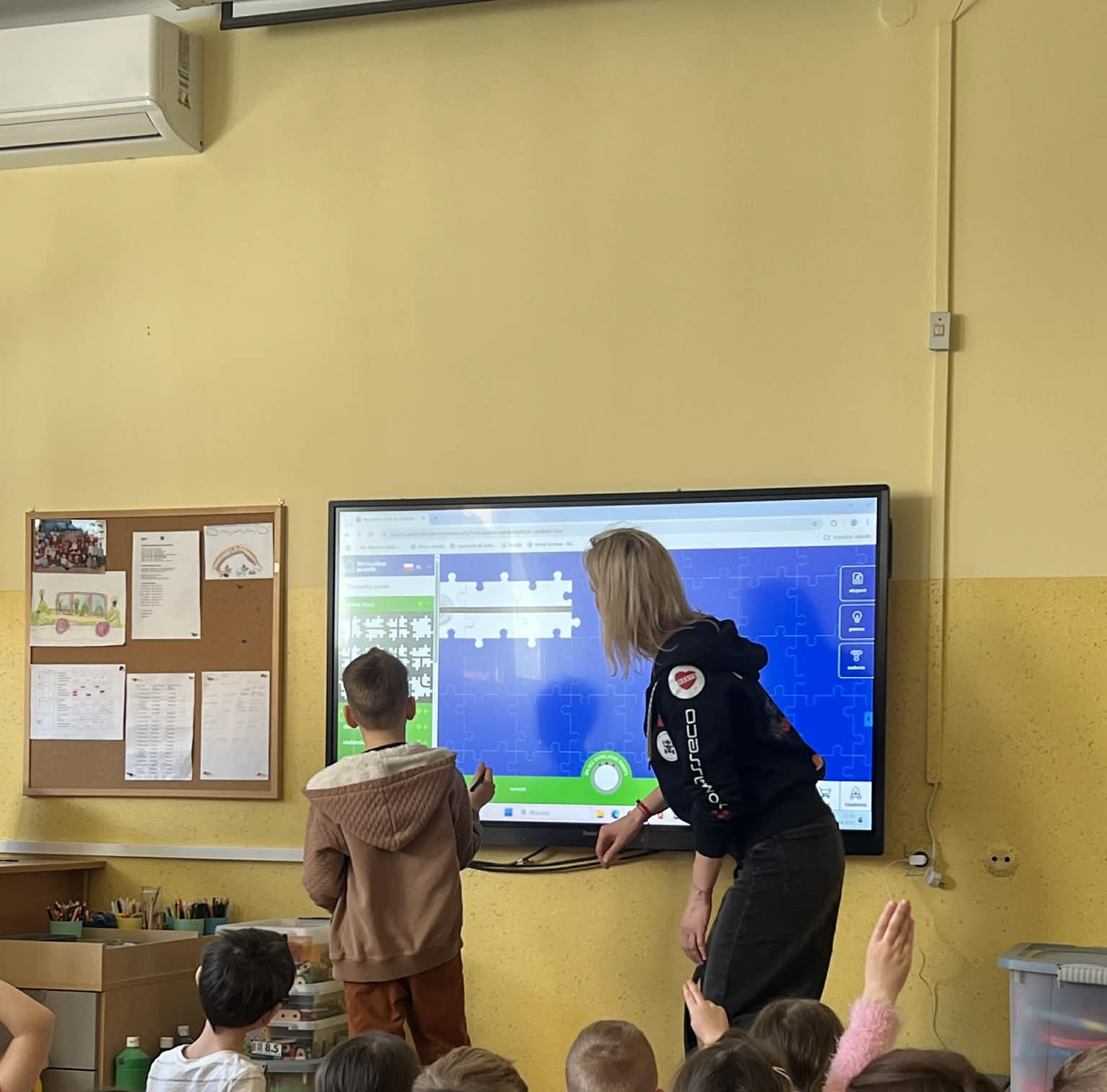
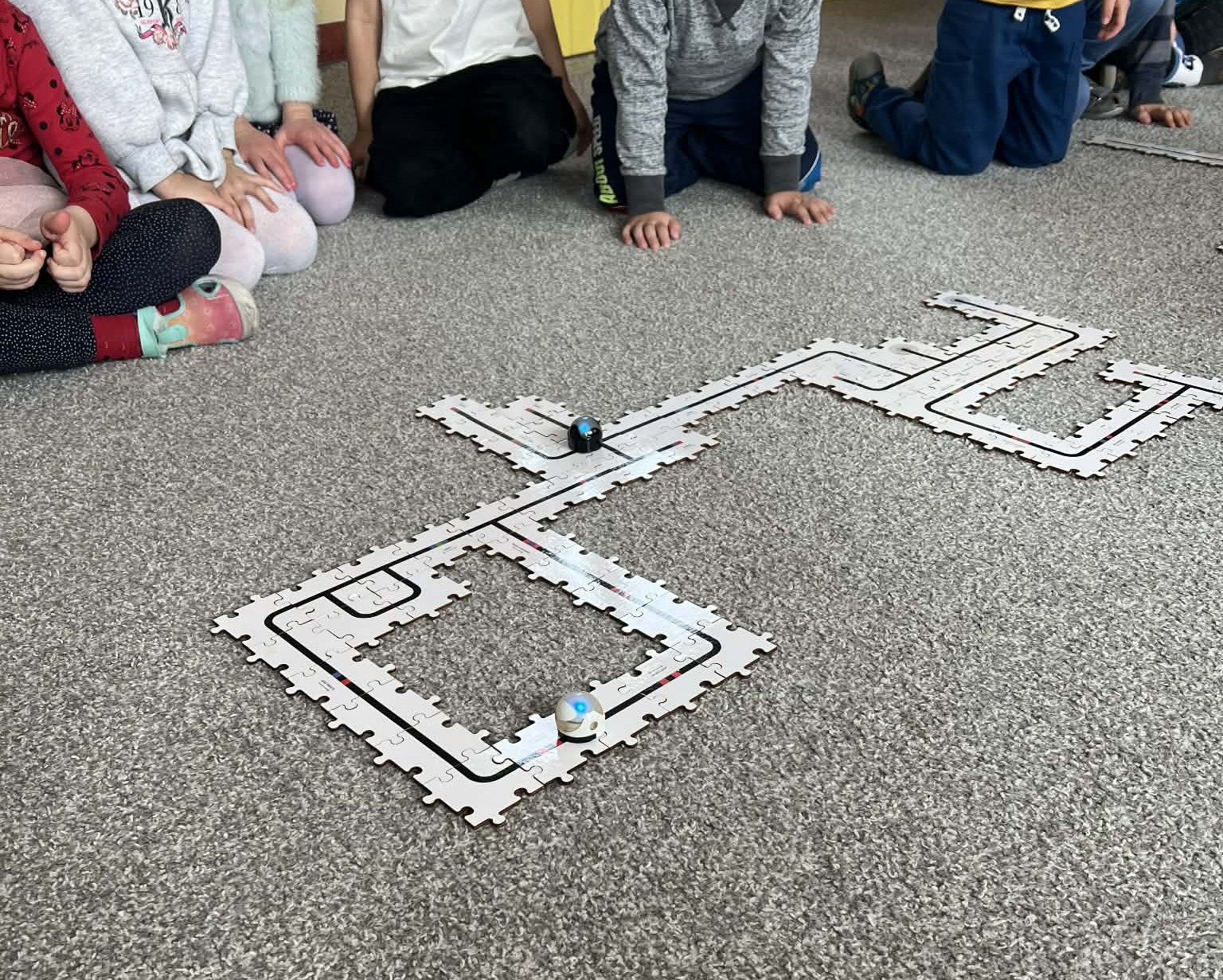
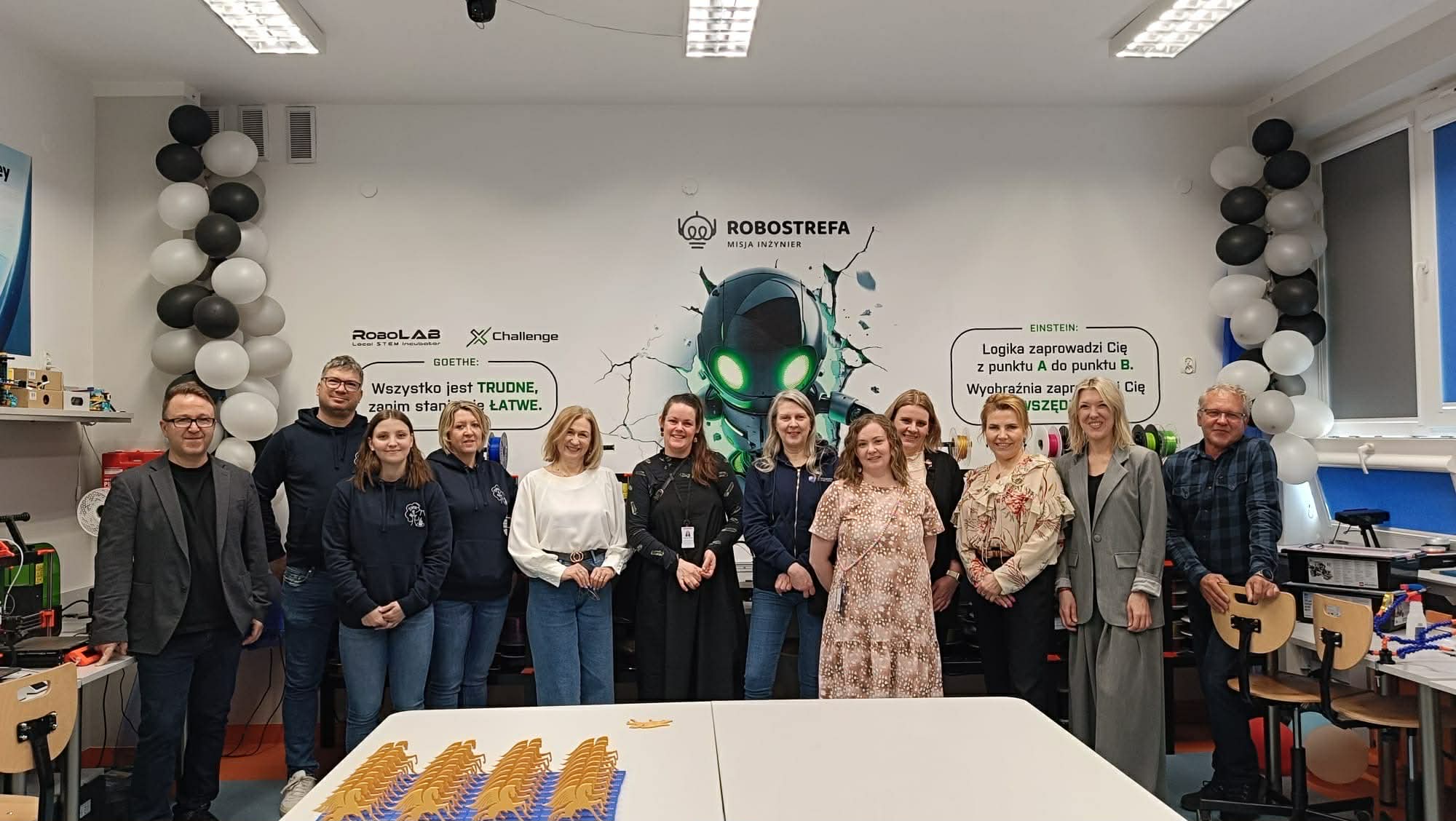
Participants then visited Primary School No. 25, where they observed robotics classes led by Rafał Kochański. This classroom visit provided insight into how robotics was integrated into everyday teaching practice and how students developed technical and problem-solving skills.
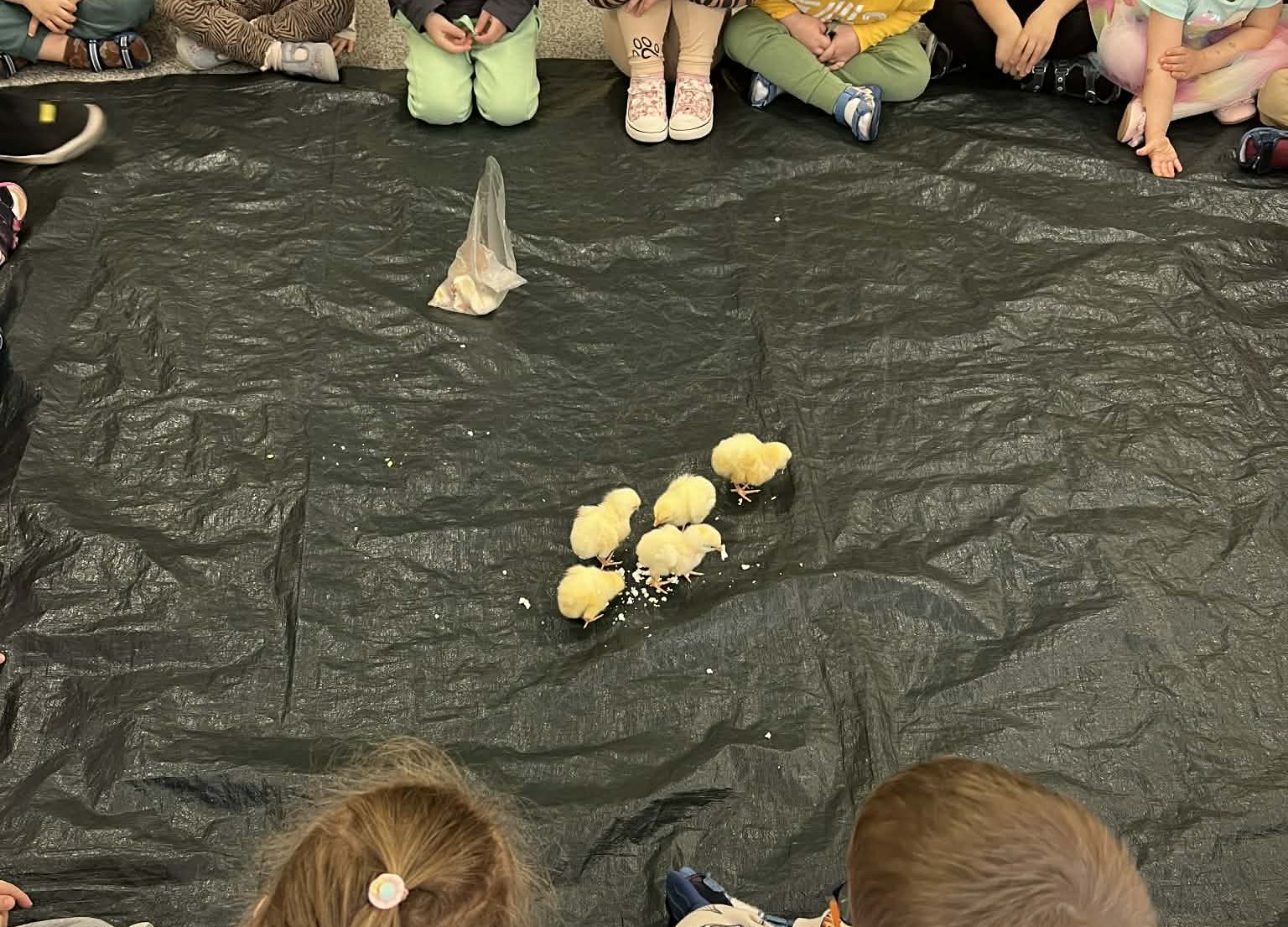
Next, guests toured the Public Kindergarten No. 21 in Rzeszów, including a presentation introducing the institution’s educational approach, facilities, and activities. This segment highlighted early childhood education methods and the role of innovation in learning from an early age.
The afternoon session focused on the Erasmus project itself. Organizers presented a detailed overview of the project’s tasks and objectives, clarified roles and responsibilities among partners, and established timelines and action plans for implementation.
The day concluded with a visit to the Resovia Robotics Club at Primary School No. 27, where Mariusz Wróblewski and Joanna Wilanowska-Rzemień showcased their robotics education program. Participants learned about teaching strategies, student projects, and the practical application of STEM education in schools.
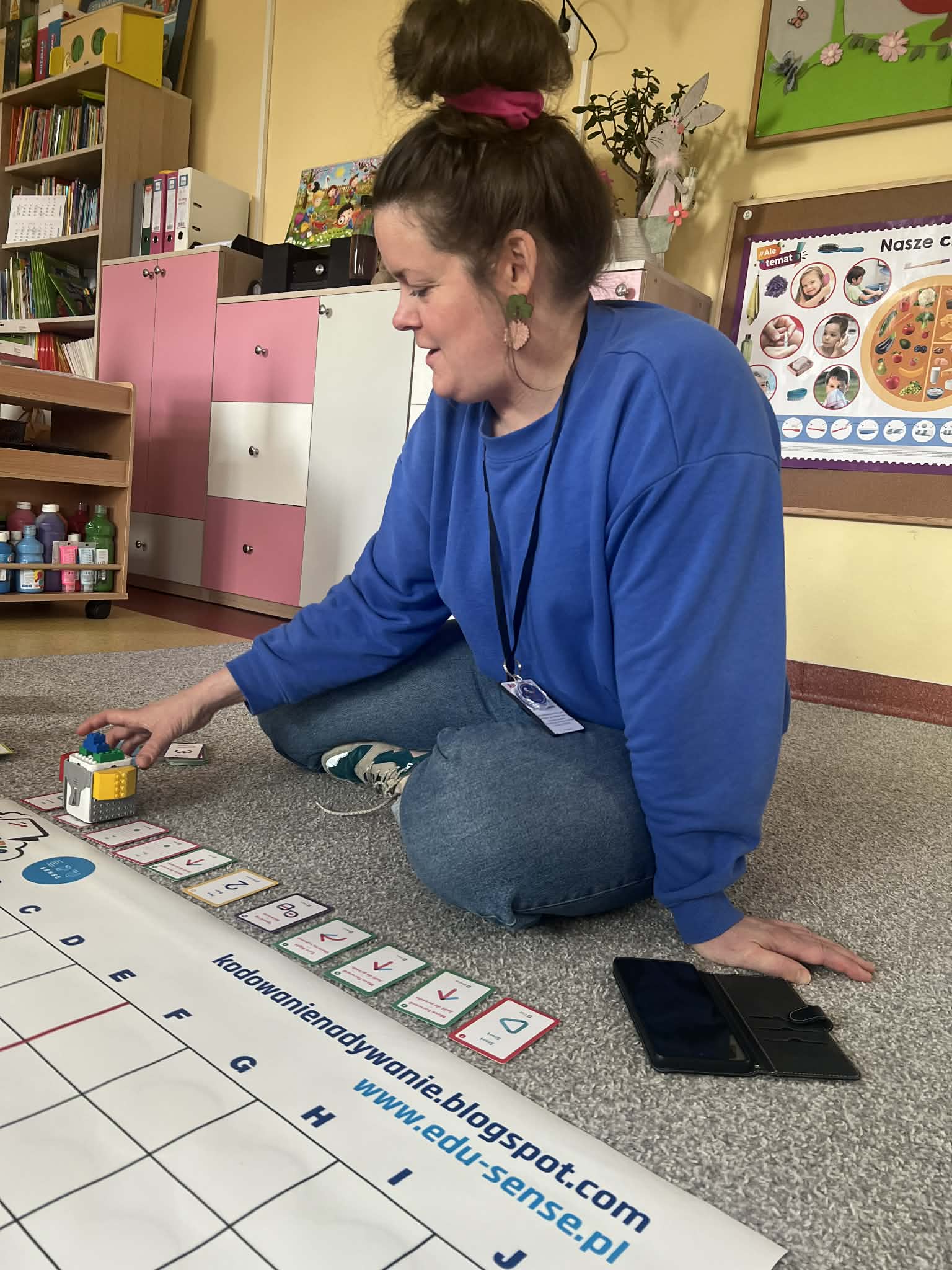
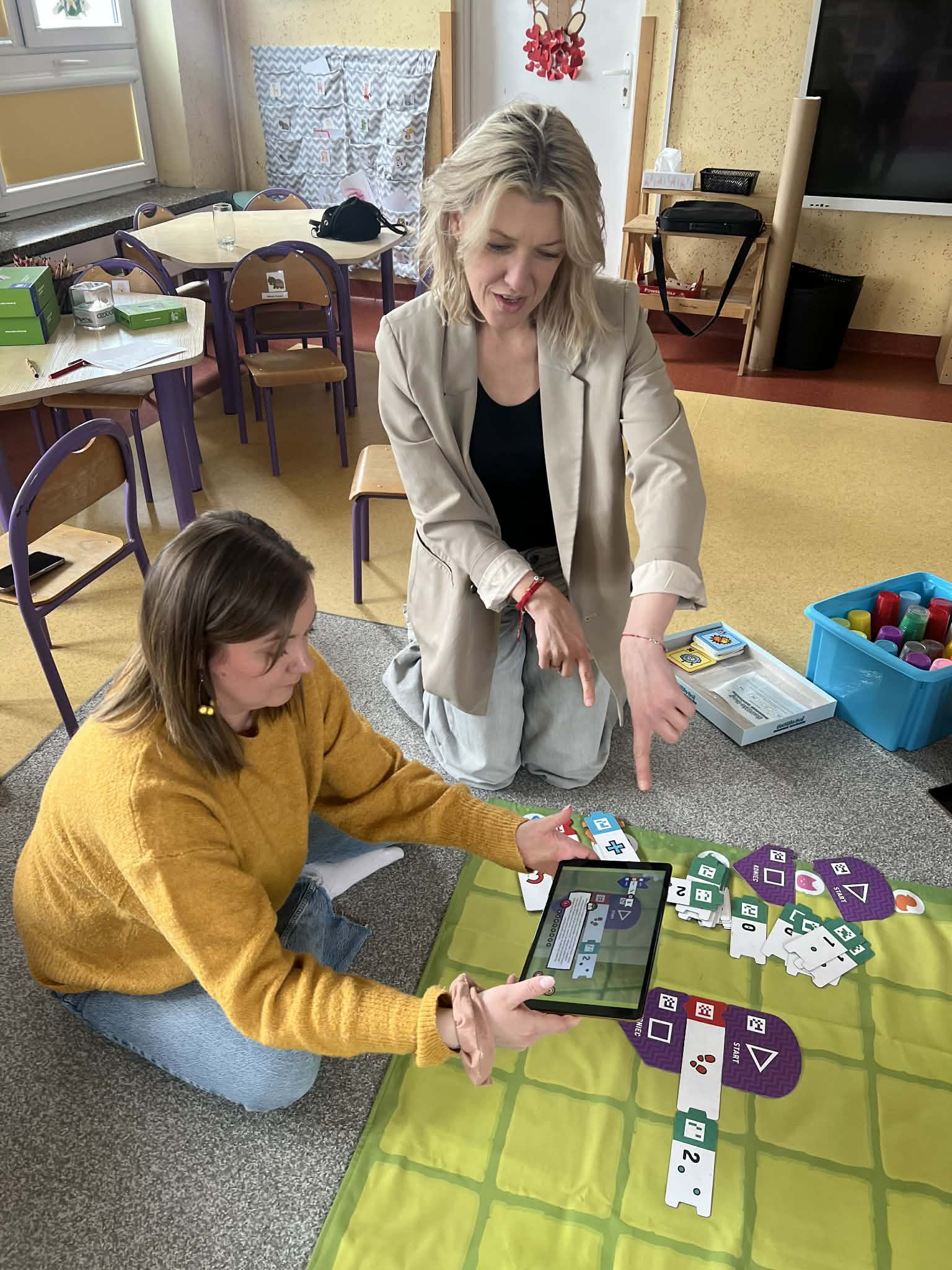
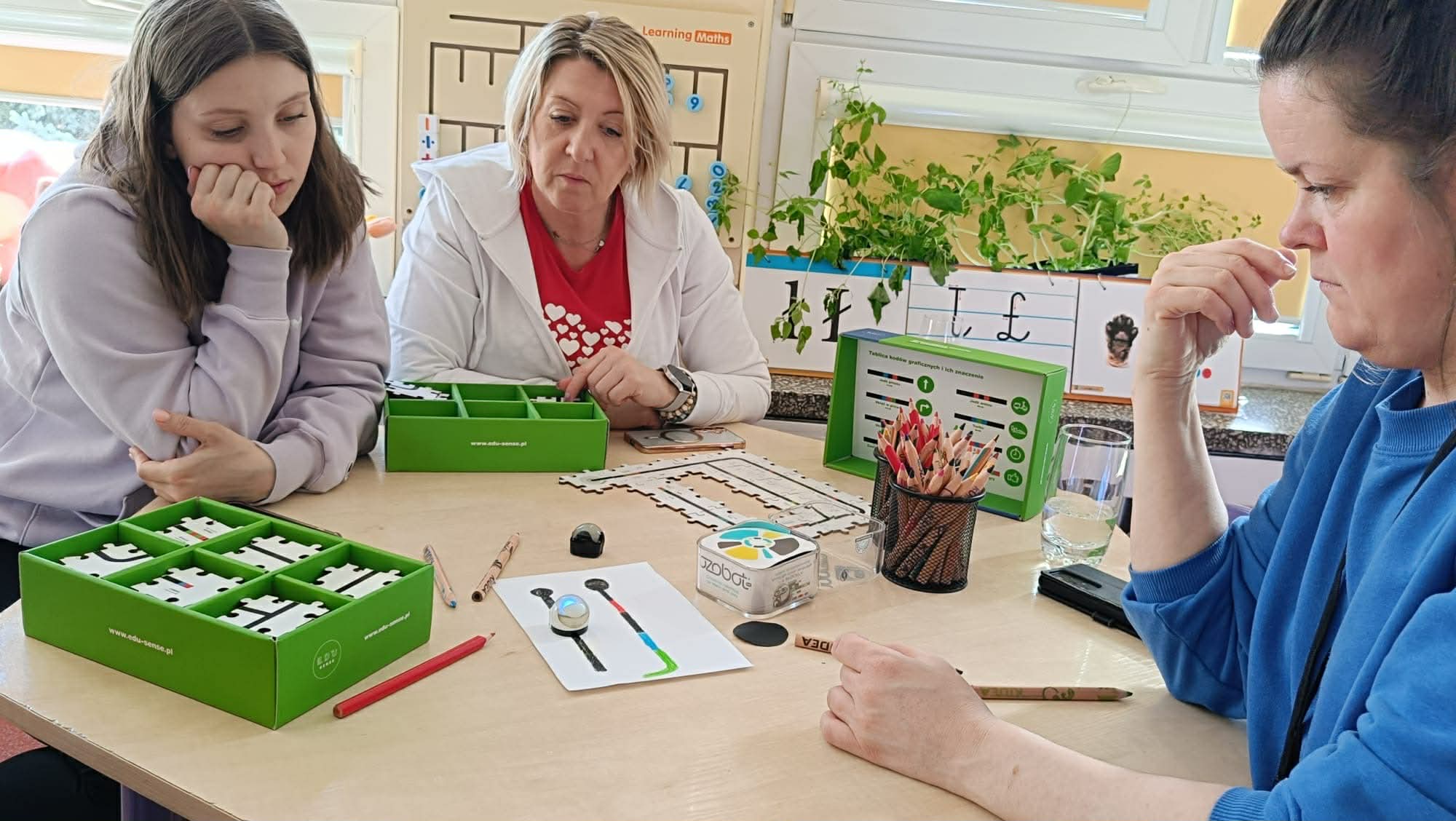
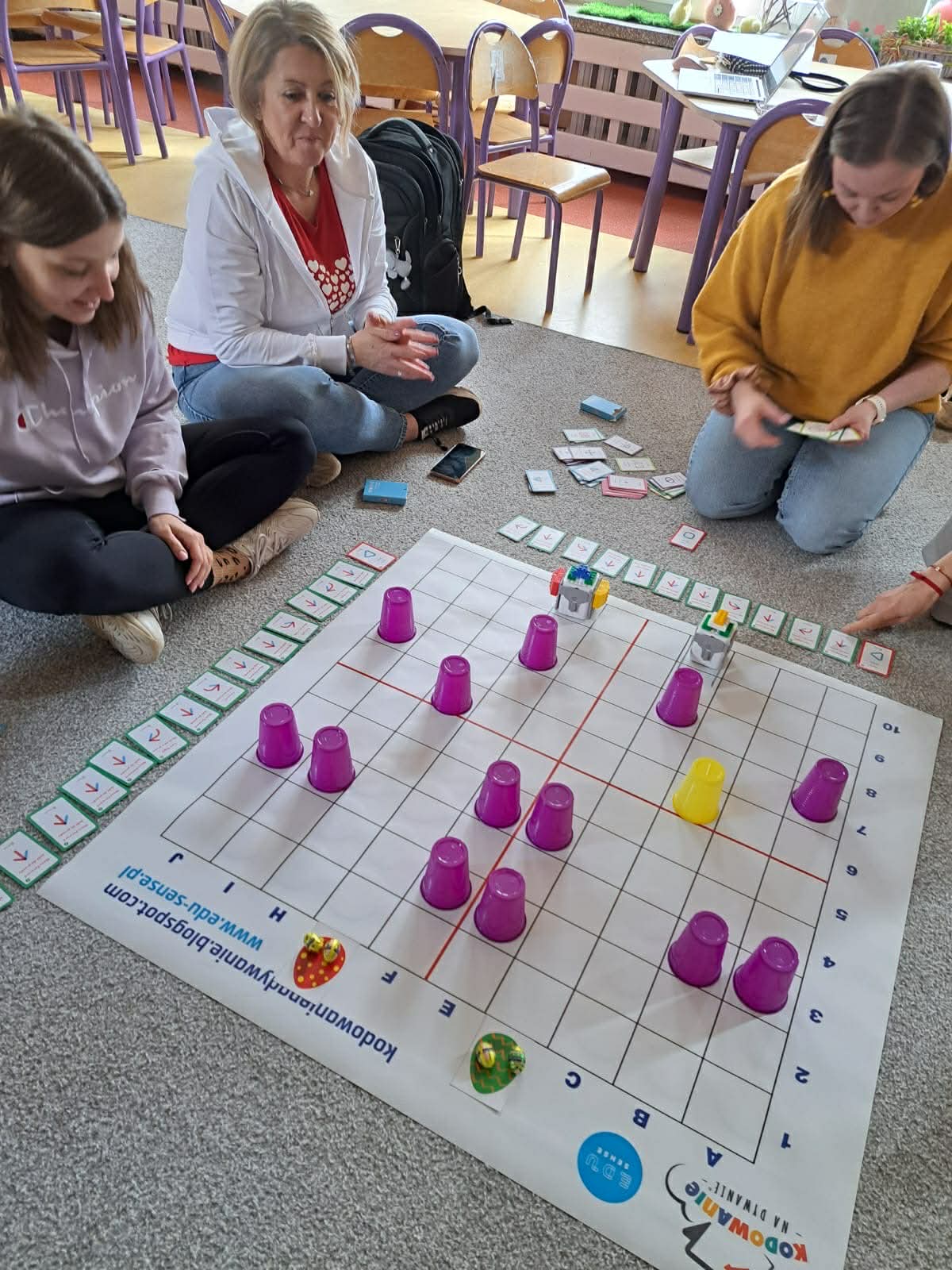
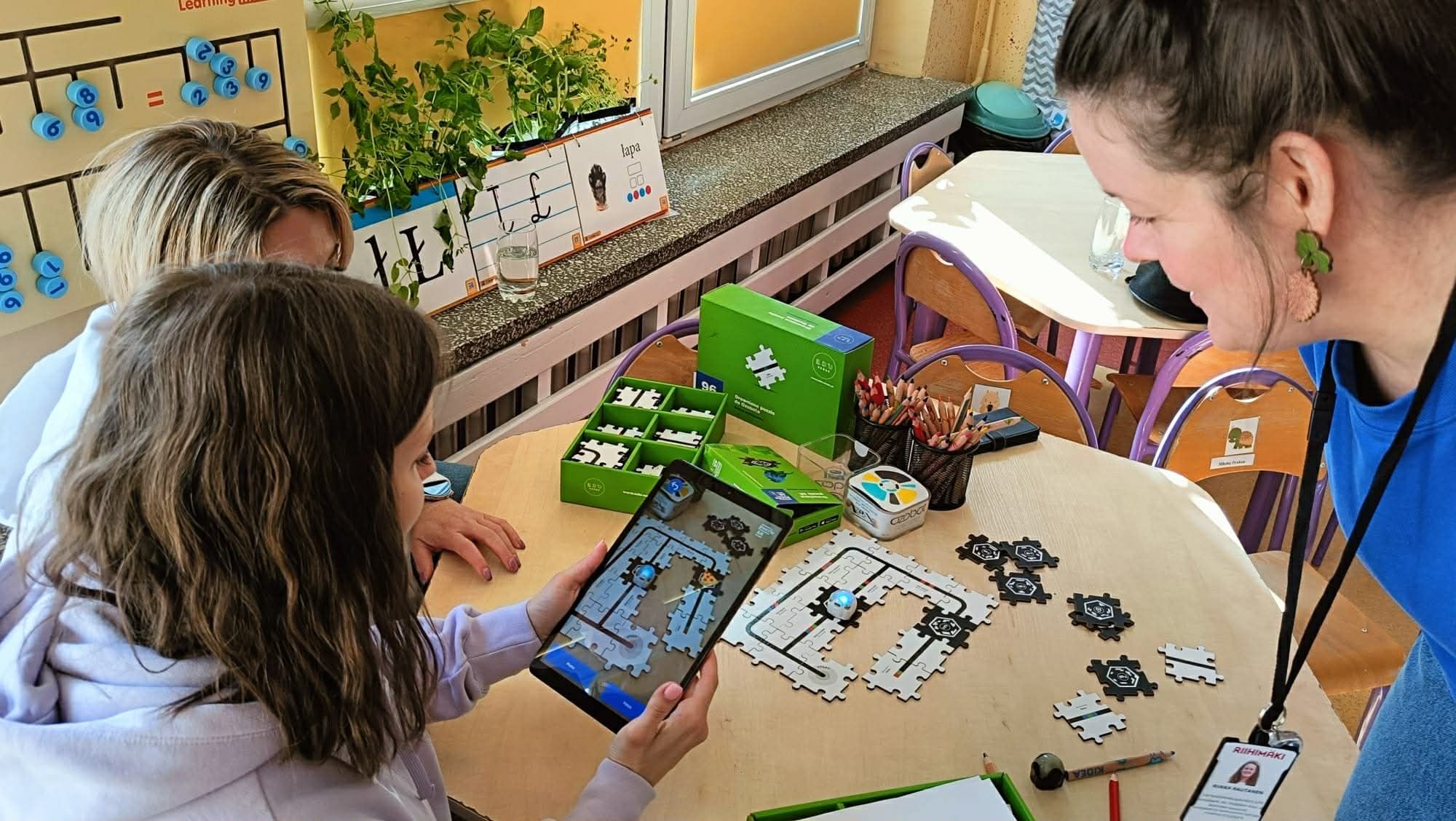
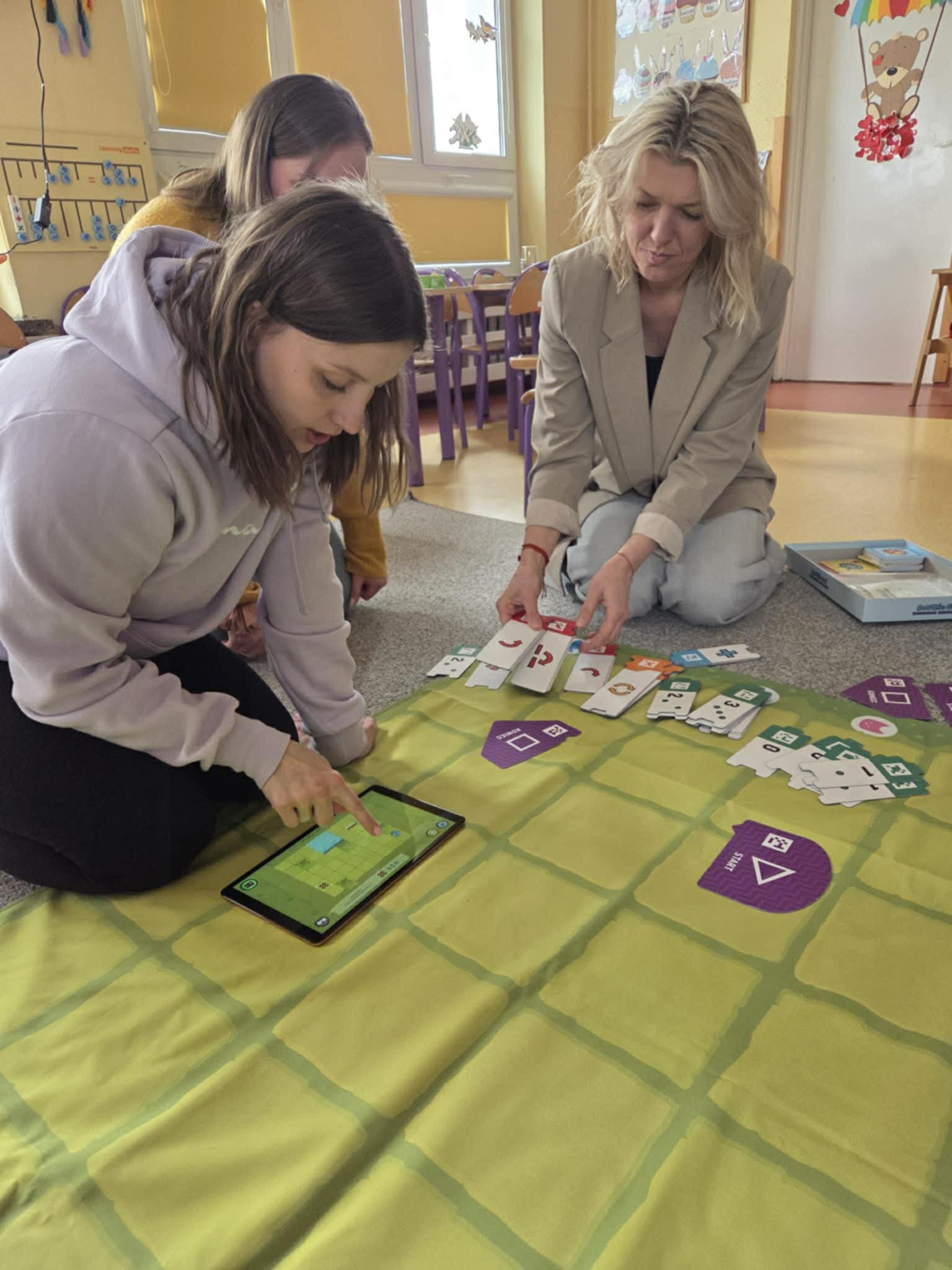
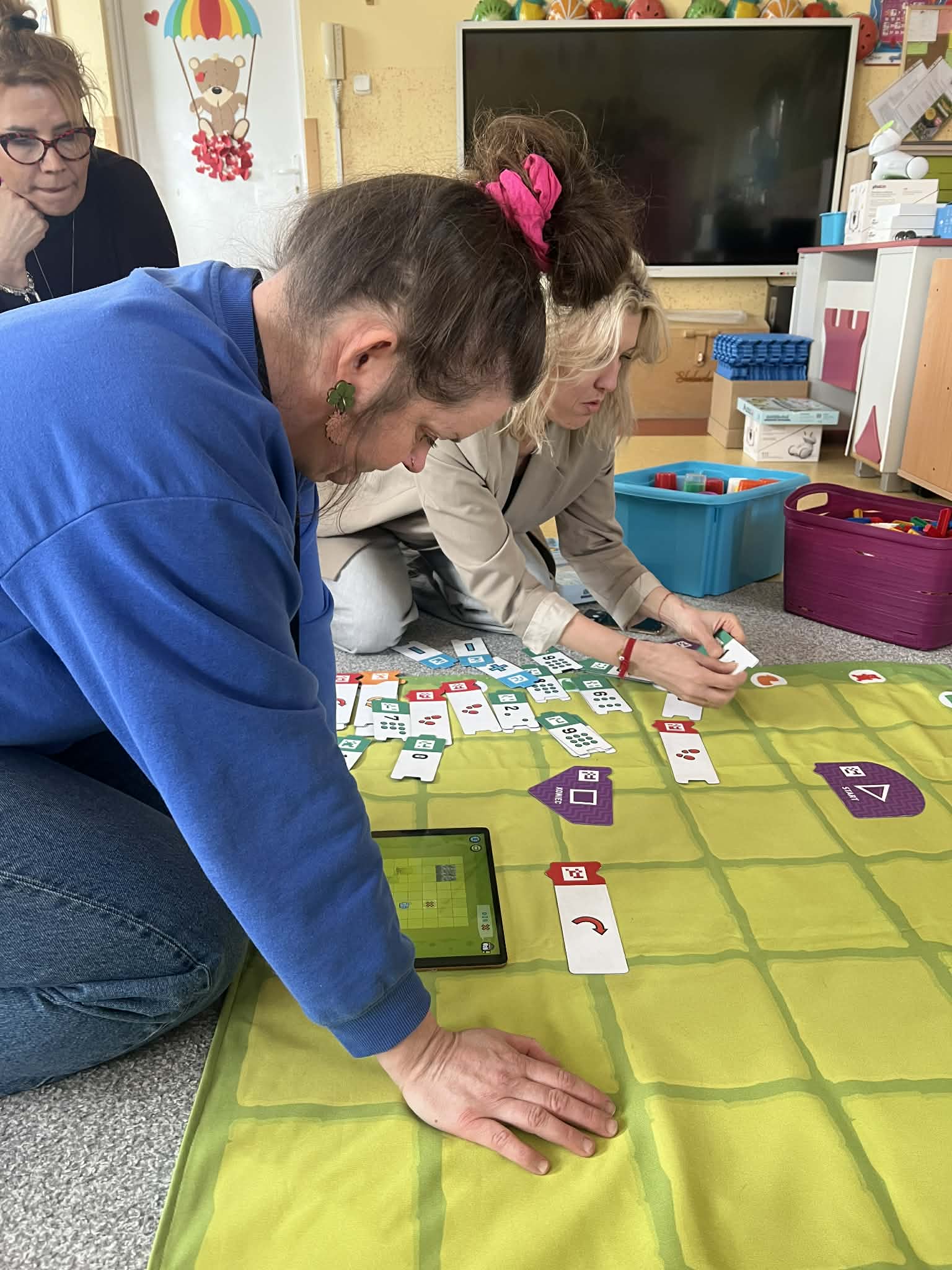
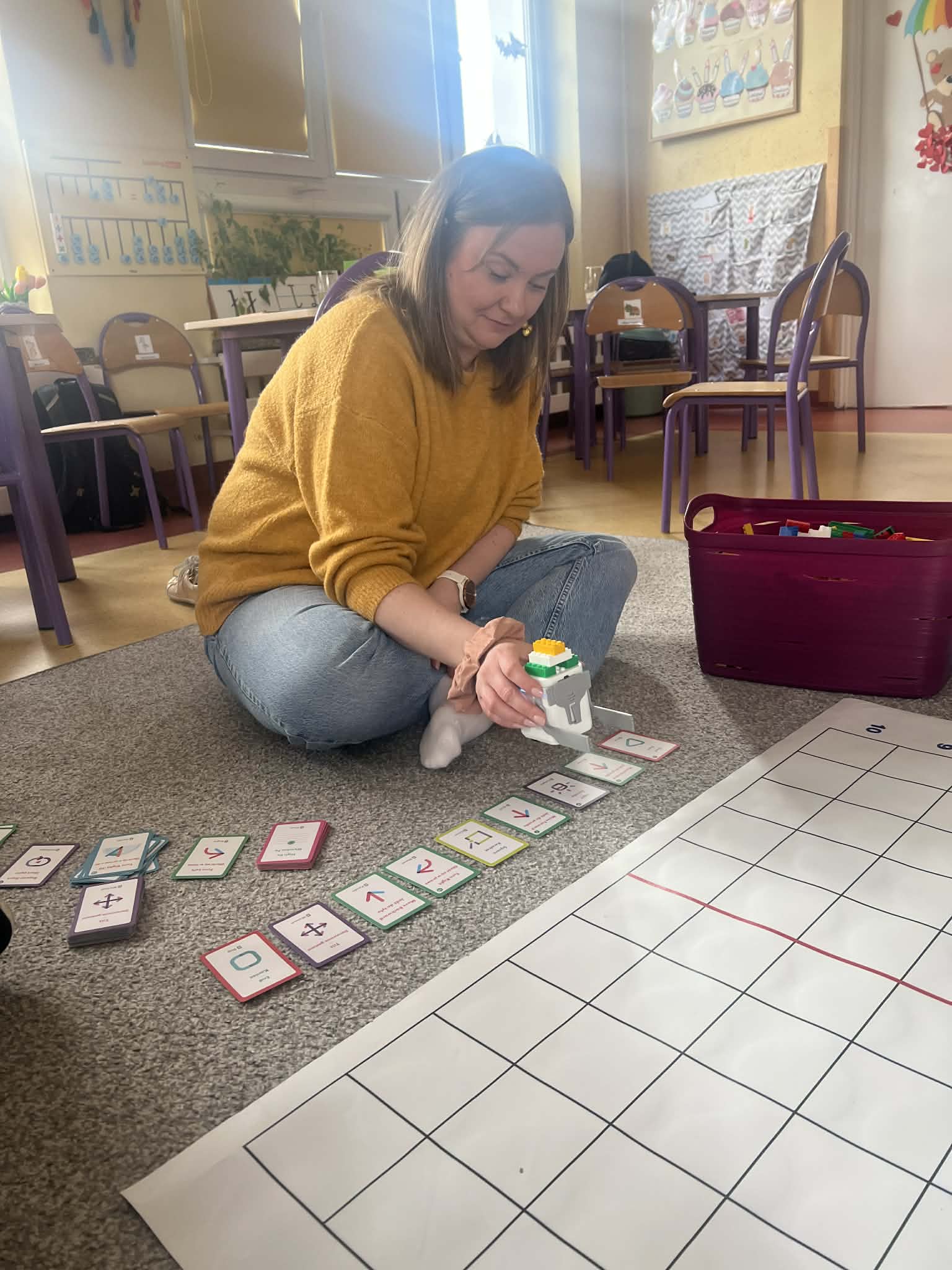
We joint planning session for collaborative robotics lessons brought participants together to exchange ideas and strategies for teaching robotics. During the meeting, educators discussed effective methods, shared classroom experiences, and engaged in an open conversation about challenges they had encountered, as well as practical solutions that had proven successful in their schools.
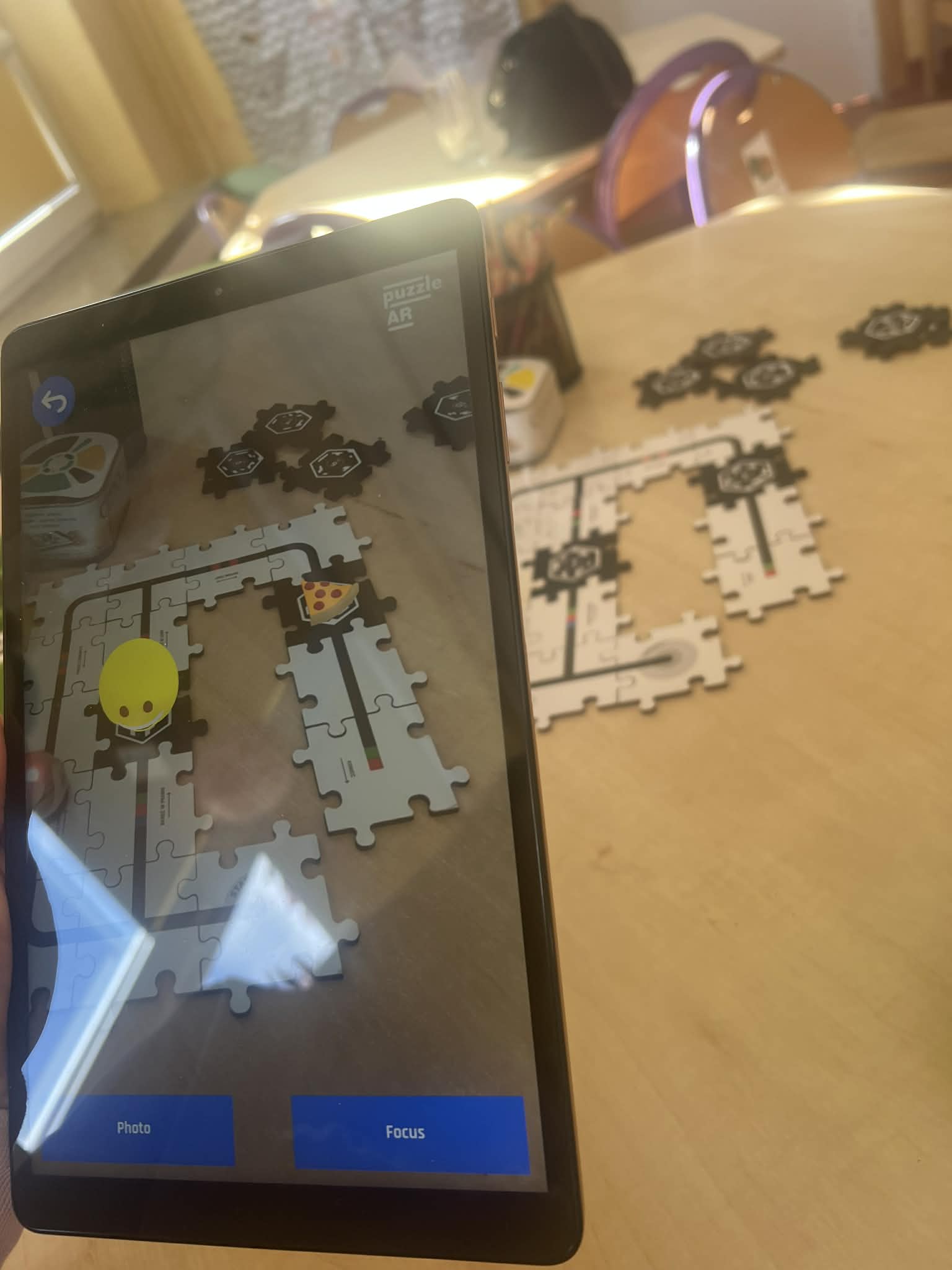
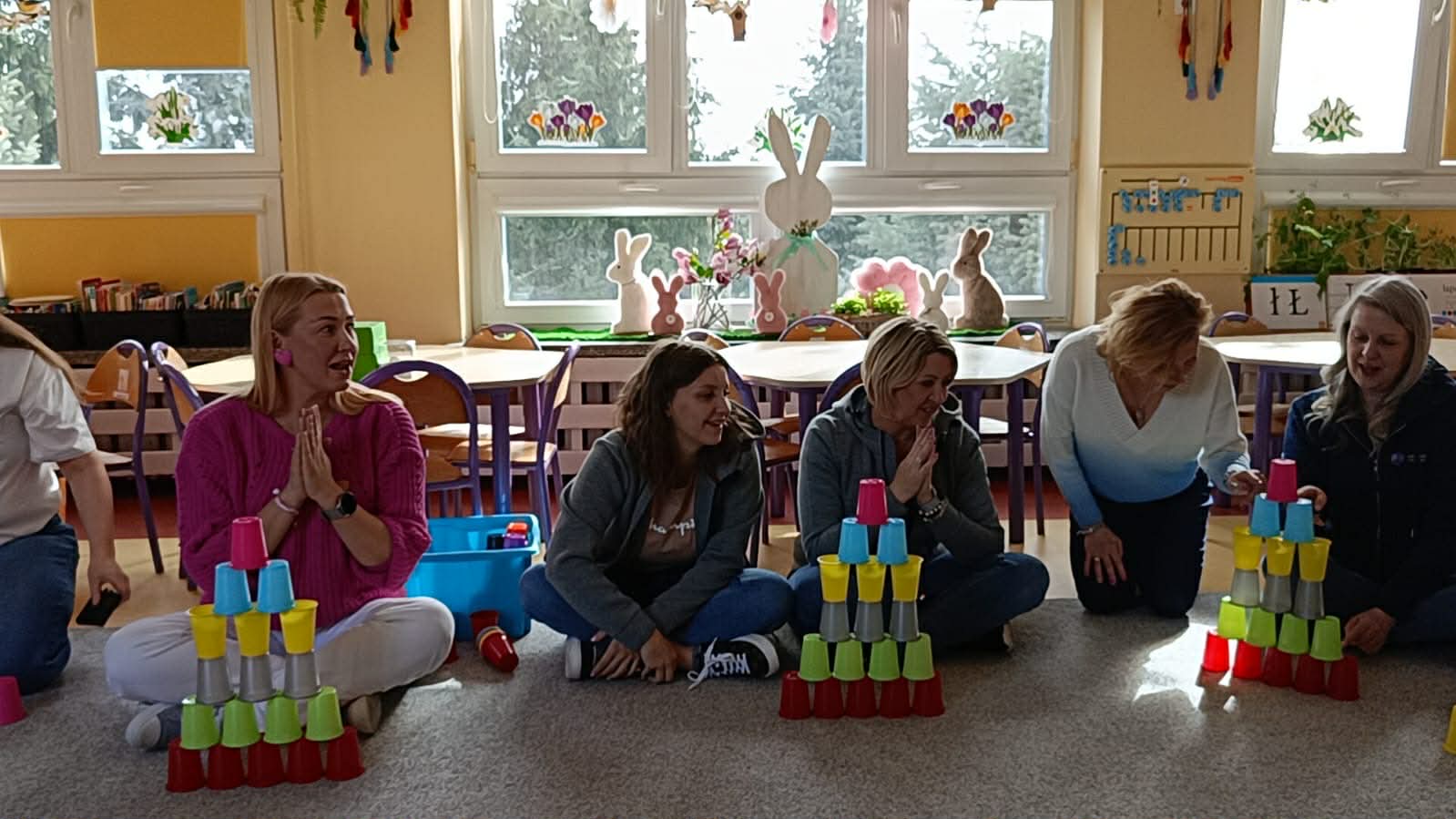
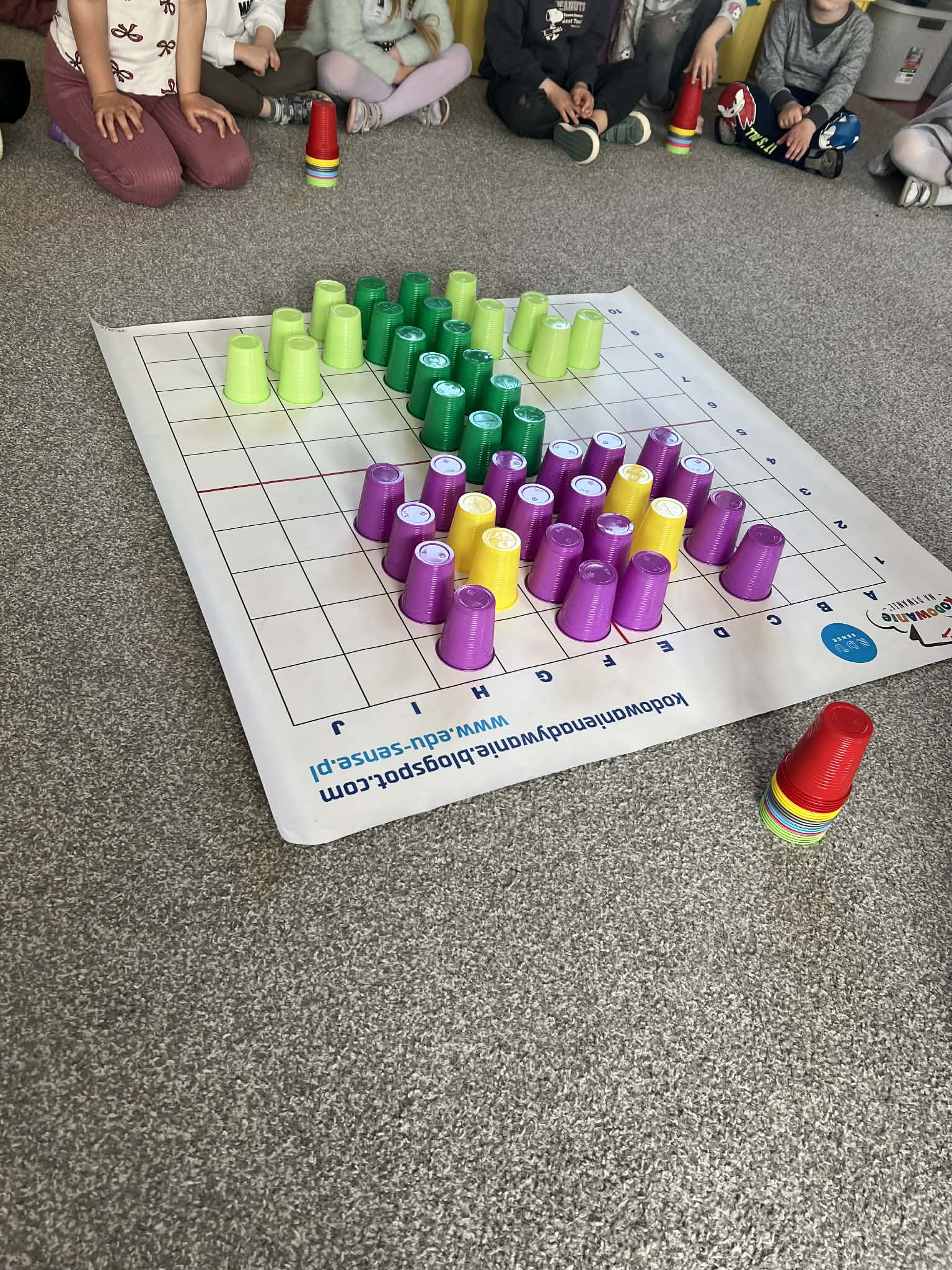
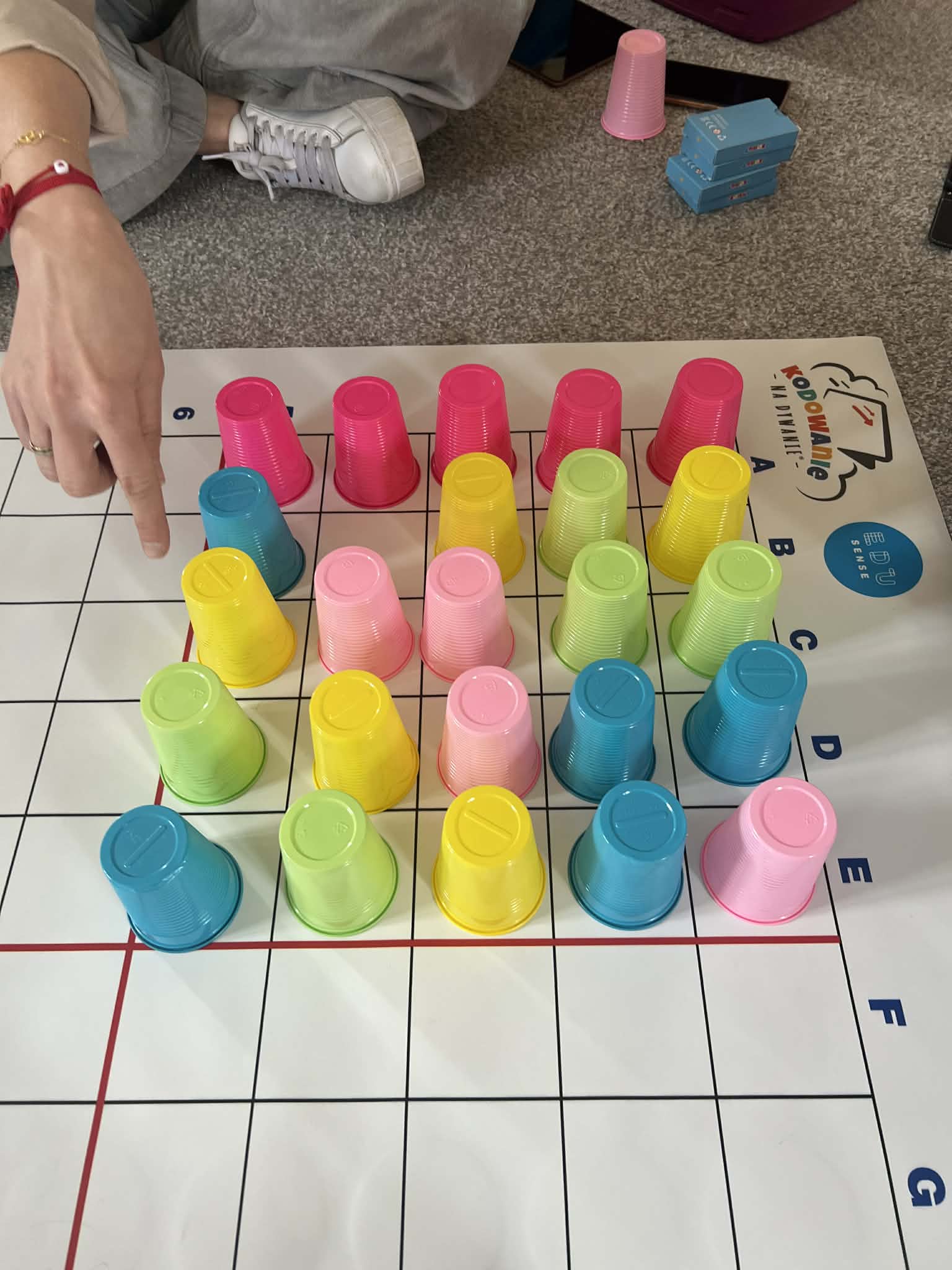
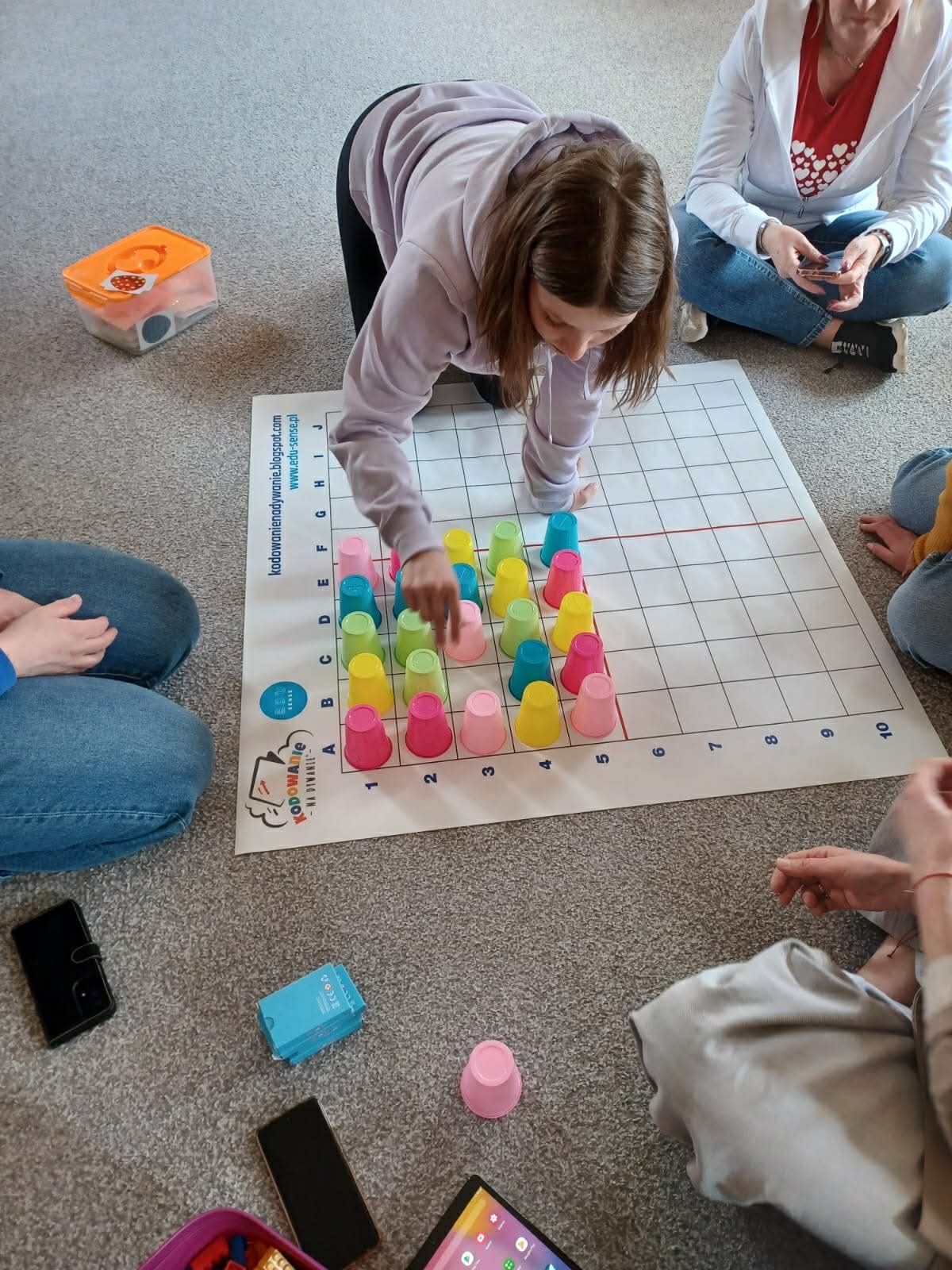
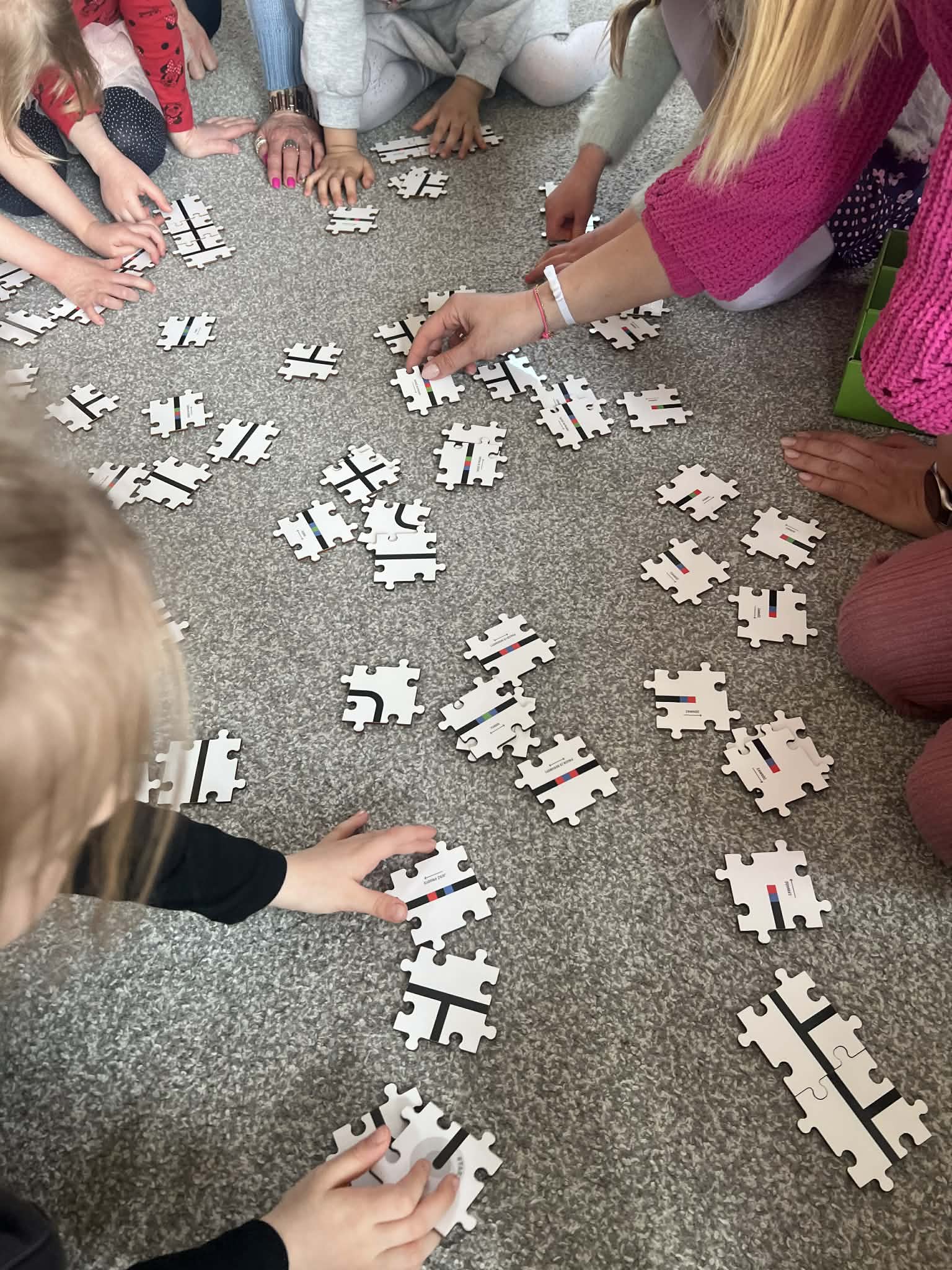
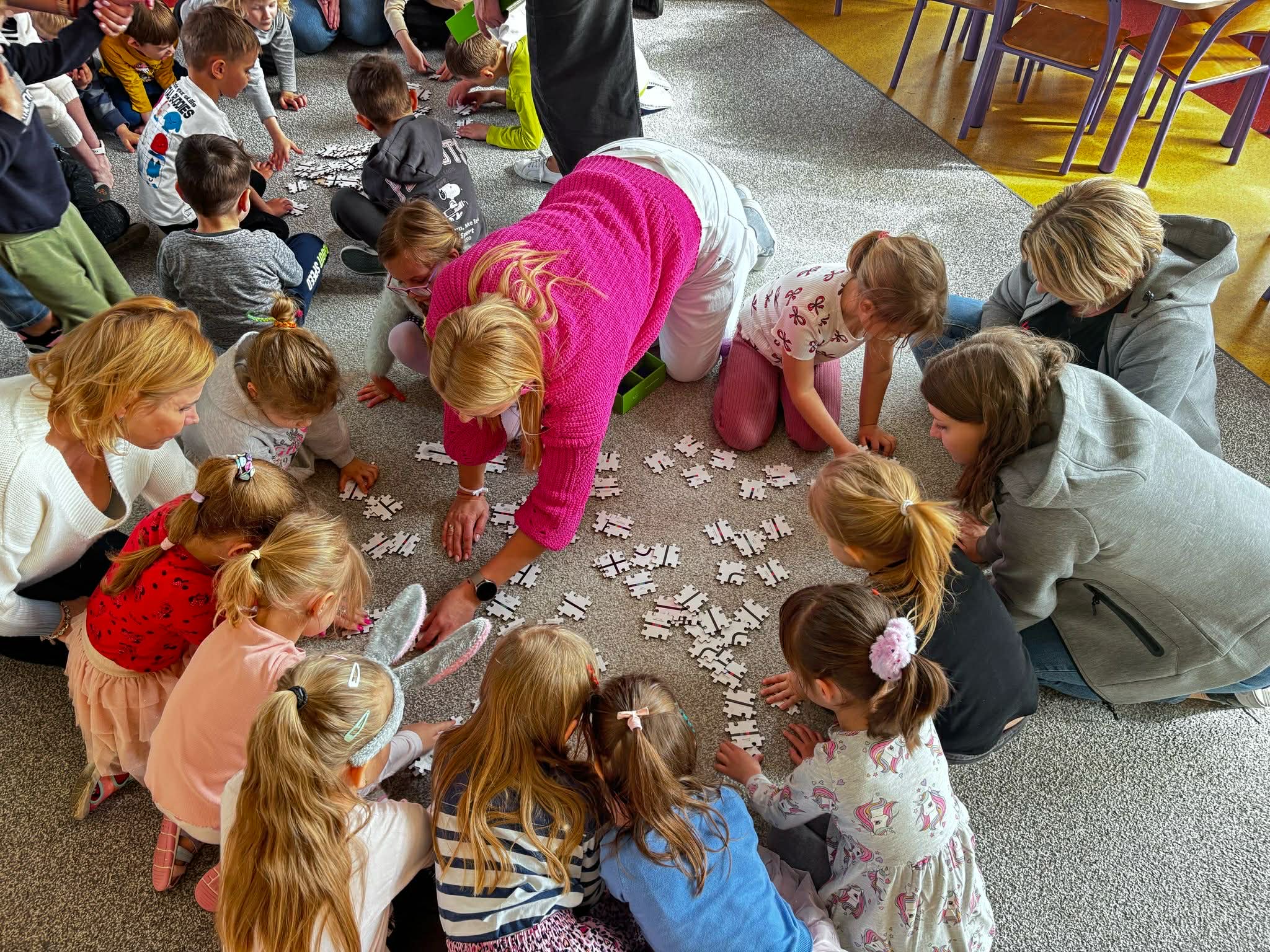
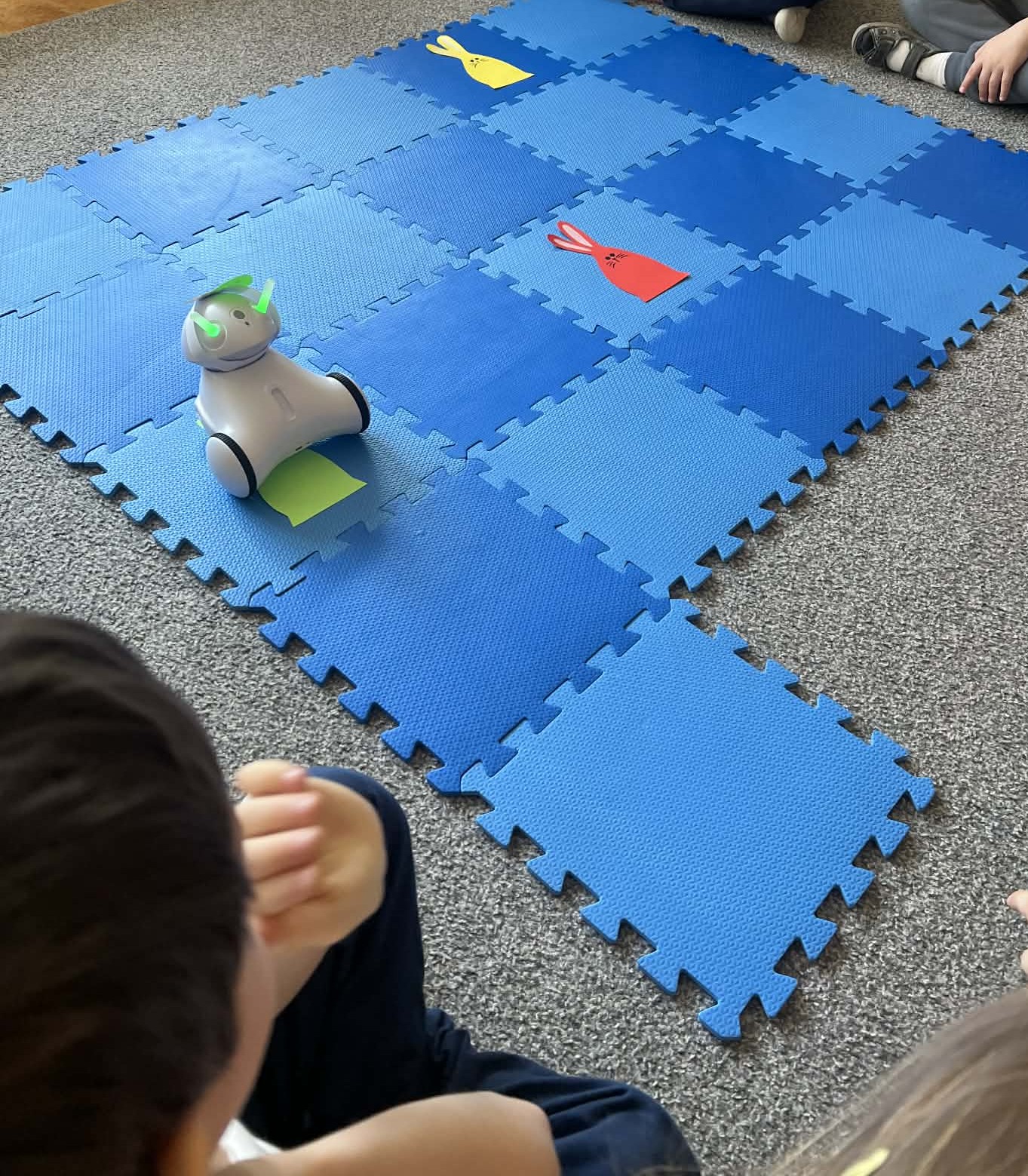
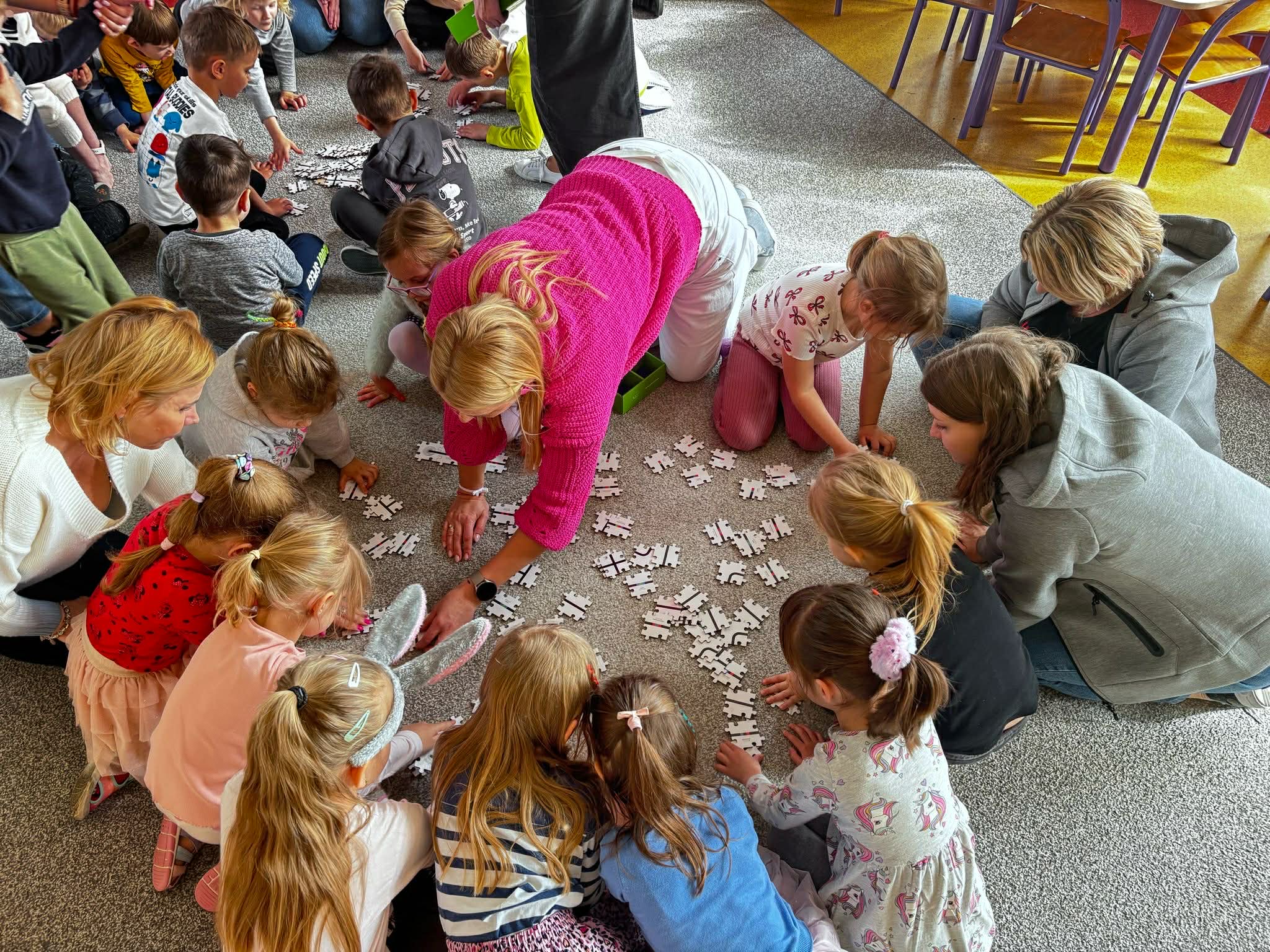
An interactive workshop was then led by Polish kindergarten teachers — Joanna, Alina, Barbara, and Mariola. The session included hands-on activities and live demonstrations that allowed participants to actively experience selected teaching methods. The workshop also provided an opportunity to share best practices in robotics pedagogy and reflect on ways to adapt these approaches to different educational contexts.
During this meeting, participants worked together on planning a robotics lesson and attended a workshop focused on effective pedagogical techniques for teaching robotics in early childhood education. The session emphasized practical solutions, digital resources, and collaborative strategies that support international teamwork and modern learning environments.
The final session focused on future goals and a comprehensive summary of the visit. Participants reflected on the activities carried out during the program, discussed key outcomes, and evaluated how the shared experiences could influence their future teaching practices. They also identified priorities for continued cooperation, potential joint initiatives, and long-term objectives for developing robotics education within their institutions.
The event concluded with a closing ceremony, during which participants expressed appreciation for the collaboration, exchanged final reflections, and formally marked the end of the visit. Certificates of participation were distributed, and organizers thanked all partners for their active involvement, commitment, and contributions to the success of the Erasmus project.
Gallery